Dulwich Picture Gallery rubbish removal for event clearances
Posted on 07/08/2026
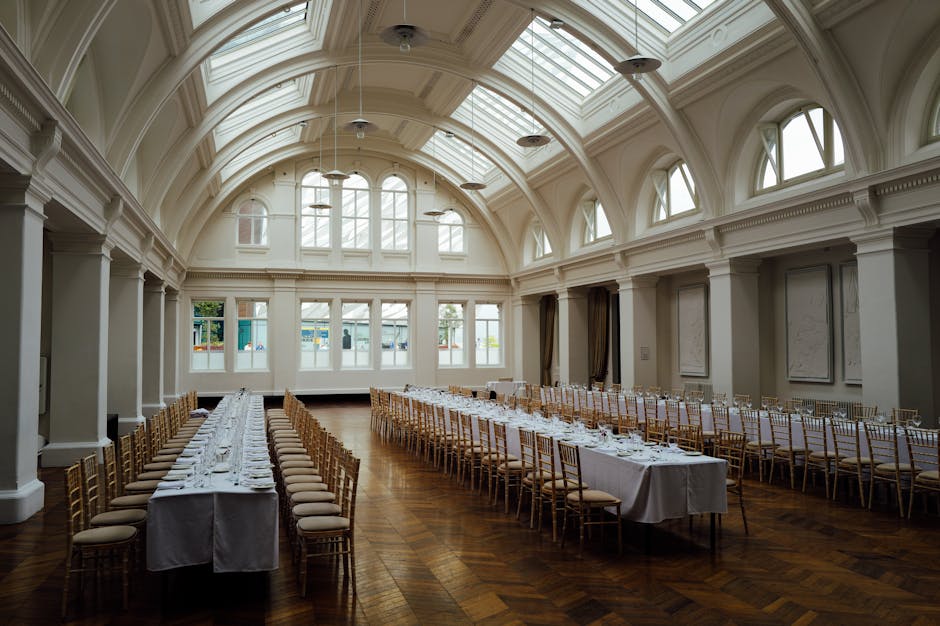
If you are planning an exhibition launch, private viewing, fundraiser, or community event, the tidy-up afterwards can feel like the hidden second half of the job. Dulwich Picture Gallery rubbish removal for event clearances is about getting the space back to calm, safe, and presentable without turning the morning after into a logistical headache. It is the difference between staff carrying bins for an hour and the venue being ready for the next booking, almost before the coffee has gone cold.
In this guide, we'll break down how event clearance works around a gallery setting, what usually needs removing, how to reduce disruption, and the practical checks that make the whole process smoother. You'll also find a clear checklist, a comparison of clearance options, and a grounded look at compliance and best practice. Nothing fluffy. Just the stuff that actually helps.
Why Dulwich Picture Gallery rubbish removal for event clearances Matters
Gallery events are not like ordinary house clearances or even a standard office tidy-up. You are usually dealing with a mix of packaging, temporary signage, catering waste, promotional materials, display fixtures, and sometimes awkward items that looked harmless on the event plan and somehow became very real once they were stacked in a corner.
In a venue linked to public visits and careful presentation, clearance is not just about "taking stuff away". It is about protecting floors, preserving access routes, leaving the space safe for staff and visitors, and doing all of it with the least amount of noise and fuss. That matters if the event is followed by another booking, a morning opening, or a tight turnaround with contractors still on site.
There is also a reputational angle. A neatly cleared space says a lot about planning, professionalism, and respect for the venue. A messy back-of-house area, on the other hand, can create bottlenecks, trip hazards, and avoidable stress. And let's face it, nobody wants the final memory of a good event to be a pile of torn cardboard and half-full bin bags near the loading point.
For organisers working locally in Dulwich, it is sensible to think of event clearance as part of the event itself, not an afterthought. The best outcomes usually come from planning rubbish removal alongside set-up and breakdown, rather than treating it as a separate problem that will magically sort itself out at 11:30pm. Spoiler: it rarely does.
How Dulwich Picture Gallery rubbish removal for event clearances Works
The process is usually straightforward when handled well, but the detail matters. A proper clearance starts before the event ends, ideally with a rough plan of what will need removing, where it will be stored, and who is responsible for each category of waste.
In practical terms, an event clearance often follows this pattern:
- Pre-event assessment. The organiser identifies likely waste streams, access points, timing constraints, and any fragile or restricted areas.
- Segregation on site. Materials are separated into general rubbish, recyclable items, cardboard, furniture, promotional materials, and any special waste that needs separate handling.
- Collection and loading. Items are removed in a controlled way, usually with care around entrances, shared corridors, and any public-facing areas.
- Sorting and disposal. Reusable or recyclable materials are dealt with appropriately, while general waste is removed to an authorised transfer or disposal route.
- Final sweep. The area is checked for loose debris, taped signage, broken fixtures, and anything left behind under tables, behind screens, or near skirting boards.
For a gallery or cultural venue, timing is often the biggest factor. Some clearances need to happen before the public arrives the next day. Others have to wait until the room is fully vacated, which means the team needs quick access, quiet handling, and no unnecessary back-and-forth. In that sense, rubbish removal becomes part transport, part choreography.
If you already know the broader service mix you may need, it can help to review the wider service overview and the page for waste clearance in Dulwich so you can match the job to the right approach. Event clearances are rarely one-note.
Key Benefits and Practical Advantages
The obvious benefit is speed. A focused clearance team can remove bulky bags, empty boxes, broken display materials, and event leftovers far faster than a venue team trying to do it between other tasks. But there are a few other advantages worth calling out.
- Less disruption: Fewer people moving rubbish through the building means less noise, less clutter, and less risk of accidental damage.
- Safer walkways: Clear floors and exits reduce trip hazards, especially during last-minute breakdowns when everyone is tired.
- Better recycling: Well-sorted materials are easier to separate, which can support more responsible disposal.
- Cleaner handover: The venue is left in a better state for staff, cleaners, or the next event team.
- Less internal admin: One coordinated removal is usually easier to manage than multiple ad hoc trips and bin runs.
There is also a small but real psychological benefit. When the rubbish is gone, the event feels finished. That sounds simple, but anyone who has stared at a service corridor full of flattened boxes at midnight knows exactly what I mean. The end of an event can feel oddly unfinished until the space is cleared.
For heavier items, broken furniture, or equipment that is not heading back into storage, services like furniture removal in Dulwich or furniture disposal in Dulwich may also be relevant. If the event has involved equipment, screens, or appliances, then white goods and appliance disposal could be part of the picture too.
Who This Is For and When It Makes Sense
This kind of clearance is useful for a wide range of people, not just big event organisers. The main question is simple: will the event generate more waste, more bulky items, or more turnaround pressure than your team can handle comfortably?
It makes sense for:
- gallery event organisers and production teams
- exhibition installers and de-riggers
- caterers managing post-event packaging and food-related waste
- charity event coordinators with donated items, banners, and display boards
- creative agencies handling pop-ups, launches, or private functions
- venue managers who need a reliable post-event reset
Sometimes the need is obvious. You have pallets, signage, foam board, cable ties, protective wrap, or broken staging. Other times it is quieter: a few extra bags here, a stack of cardboard there, a chair that is too damaged to keep, and suddenly you have a proper clearance on your hands.
It also makes sense when staff time is better spent elsewhere. If your team is needed for guest handling, cleaning, or pack-down checks, then pushing rubbish removal into their day can create a domino effect. One person fetching bags becomes three people waiting on a bin run. Not ideal.
If your event runs alongside a commercial schedule, the wider commercial waste removal page may be useful for understanding how business waste is handled more broadly in the area.
Step-by-Step Guidance
Here is a practical way to approach event clearance without overcomplicating it.
1. Walk the route before the event ends
Check the route from the event space to the exit or loading point. Look for narrow turns, steps, low ceilings, fragile corners, and anywhere bags or cartons might snag. A route that looks fine on paper can feel very different when you are carrying awkward items in dim evening light.
2. Separate waste as you go
Use separate containers or clear labels for cardboard, general rubbish, recyclable plastics, and reusable materials. Even a modest amount of sorting saves time later. It also stops recyclable items from getting mashed into mixed waste, which is just a waste of effort, really.
3. Identify bulky or sensitive items early
Do not leave large items until the very end. Broken display units, old furniture, packaging pallets, and appliance-like equipment can slow down the whole job. If the event has involved setup furniture that is now redundant, look at options such as furniture disposal in Dulwich or broader waste disposal in Dulwich support.
4. Confirm access and timing
In a venue context, access matters just as much as volume. Make sure the team knows where to park, which door to use, whether lifts are available, and when they are allowed to move through shared areas. If the job needs a timed collection, set that expectation early.
5. Load carefully and do a final sweep
Loading should be orderly, not rushed. Once the main waste has gone, do a final sweep for tape, screws, cable ties, labels, plastic film, and stray packaging. These are the things that make a space look unfinished even after the big items are gone.
A decent provider will also think about insurance, handling practices, and compliance. It is worth understanding the basics of insurance and safety before you book anyone to work in a venue with public access or delicate interiors.
Expert Tips for Better Results
After enough event clearances, a few patterns become obvious. The smoother jobs are rarely the ones with the most people; they are the ones with the clearest decisions.
- Label everything before breakdown starts. A marker pen and a few tape labels can save you 20 minutes of confusion later.
- Put one person in charge of waste decisions. Too many opinions slows things down. One clear point of control works better.
- Plan for mixed waste, not ideal waste. Events are messy by nature. Expect some crossover and build a little slack into the plan.
- Use sturdy sacks and boxes. Thin bags split at the worst moment. Usually when you are walking through a clean corridor. Of course.
- Keep a small "return to store" pile separate. Not everything at breakdown is waste. Some items just need to go back into storage.
- Book removal with a realistic buffer. If guests, exhibitors, or caterers overrun, you do not want the clearance plan falling apart because it was timed too tightly.
A useful rule of thumb is to treat anything that touches the event floor as potentially needing a second look. Tape, signage offcuts, broken plinths, food packaging, cup waste, and protective wrap all create a visual mess faster than people expect. You can tidy a room, yes, but lingering scraps make it feel unfinished.
If the event leaves behind broader business waste as well, a page like SE21 waste removal in Dulwich or Dulwich waste disposal SE24 may be helpful for understanding local service coverage.

Common Mistakes to Avoid
The biggest mistakes are usually boring, which is almost comforting. They are predictable, and that means they can be avoided.
- Leaving clearance until the final 15 minutes. That is how small issues become big ones.
- Assuming everything can go in one pile. Some waste streams need better separation than that.
- Forgetting about access restrictions. A collection team is not much use if they cannot get to the loading area.
- Ignoring fragile surfaces. Gallery floors, walls, and door frames can be vulnerable during busy pack-downs.
- Underestimating bulky items. One awkward plinth can slow a whole clearance more than ten bin bags.
- Not checking who is responsible for what. If everyone thinks someone else booked the clearance, well... you can guess the result.
Another easy mistake is focusing only on speed. Speed matters, but neat handling matters too. The best event clearances feel calm, even when the timeline is tight. That is usually because the team has prepared properly, not because they are rushing around heroically at the last second.
Tools, Resources and Recommendations
You do not need a massive amount of equipment, but the right basics make a big difference.
- Heavy-duty sacks and boxes for mixed event waste and smaller loose items
- Labels or coloured tape to separate recyclable, reusable, and general waste
- Gloves and sensible footwear for staff handling small items during pack-down
- Trolleys or dollies for heavier boxes and repeated trips
- Torches or good lighting for evening breakdowns in service corridors
- Simple room plan or checklist so nothing gets missed behind screens or furniture
On the service side, it helps to work with providers who are transparent about what they collect, how they sort waste, and what happens next. If you want a broader sense of the company's approach, the pages on about us, recycling and sustainability, and waste carrier licence and compliance are useful reference points.
For a general sense of how bookings and payments are handled, you can also review pricing and quotes and payment and security. That sort of clarity helps with event budgeting, especially when there are multiple suppliers on the same invoice sheet.
Law, Compliance, Standards, or Best Practice
Event rubbish removal in London usually sits within ordinary commercial waste expectations, but venue work can bring extra responsibility. If you are arranging removal, you should think carefully about who is handling the waste, how it is being transferred, and whether the provider is properly authorised to carry it.
In plain English, the important principles are:
- waste should be handled by a legitimate, traceable operator
- the removal process should not create avoidable hazards for staff or visitors
- recyclable materials should be separated where practical
- the venue's rules on access, noise, and loading should be respected
- any special items should be dealt with appropriately, not casually mixed in
Best practice also means keeping records where needed, knowing what was removed, and making sure the clearance matches the venue's expectations. For example, if an event involves rented furniture, temporary structures, or back-of-house storage items, you may want a more structured approach than a simple one-off collection. That is where linked services like office clearance in Dulwich or commercial waste removal can inform the process, even if the event itself is not an office job.
It is also wise to be cautious around mixed waste. Food waste, broken glass, sharp hardware, old fittings, and packing materials should not all be treated the same way. A calm, methodical approach is not overkill. It is just good practice.
Options, Methods, or Comparison Table
There are a few ways to handle event clearance, and the best one depends on the size of the event, the available staff, and how quickly the space needs to be reset.
| Method | Best for | Strengths | Trade-offs |
|---|---|---|---|
| In-house tidy-up | Very small gatherings with light waste | Simple, familiar, low coordination | Time-consuming, staff-heavy, harder with bulky items |
| Mixed staff and contractor approach | Medium events with some bulky or awkward waste | Flexible, can reduce pressure on venue staff | Requires clear responsibility and timing |
| Dedicated professional clearance | Larger events, tight turnarounds, or venue-sensitive spaces | Fast, more controlled, often easier to coordinate | Needs advance planning and clear access arrangements |
To be fair, there is no single "best" method for every event. A small afternoon talk with a few bins of packaging is a different job from a busy launch with staging, signage, broken display materials, and catering debris. The trick is matching the clearance method to the real workload, not the hopeful one.
Case Study or Real-World Example
Picture a late-evening gallery event after a private reception. By the end of the night, the room contains cardboard from display crates, food packaging from catering, a few damaged promotional boards, cable ties, and some temporary furniture that needs to go straight out rather than back into storage. The event team is tired. The venue team is already thinking about the next morning. Everyone wants the same thing: a clean handover, quickly.
In that sort of situation, the smoothest result usually comes from sorting waste into a few obvious groups before anyone starts hauling things to the exit. The clearance team removes the bulky material first, then the loose bags and flat packaging, and finishes with a visual sweep for strays under tables and behind partitions. Nothing dramatic. Just disciplined, sensible work.
What makes the difference is the pace. Not rushed, just steady. The room changes from "still in event mode" to "ready to breathe again" in a surprisingly short time. You can almost hear the space settle.
For organisers who also manage storage clean-outs, overflow stock, or ancillary rooms, it may be useful to compare event clearance with house clearance in Dulwich or loft clearance style planning. The settings are different, but the principle is similar: sort first, remove efficiently, and leave nothing annoying behind.

Practical Checklist
Use this checklist before the event ends. It saves time later, honestly.
- Confirm what waste will be created during the event
- Separate recyclable and general waste containers
- Mark any bulky items that need special handling
- Check access routes, lifts, doors, and loading points
- Make sure one person owns the clearance plan
- Keep reusable items apart from waste
- Remove sharp, breakable, or spill-prone materials safely
- Plan the collection time around guest departure and venue rules
- Do a final sweep for tape, labels, cable ties, and small debris
- Confirm the area is left safe for the next users of the space
Key takeaway: the easiest event clearances are the ones planned before the last guest leaves. That is the simple truth of it. A little structure up front saves a lot of rushed lifting later.
Get a free quote today and see how much you can save.
Conclusion
Dulwich Picture Gallery rubbish removal for event clearances is really about control, presentation, and peace of mind. When the waste plan is clear, the collection is timed properly, and the right items are separated early, the whole event wraps up with far less friction. The venue is left safer, the staff are less stressed, and the final impression is a tidy one.
If you are planning an event in or around Dulwich, the smartest move is to treat clearance as part of the event design. Not the bit you deal with after everything else goes wrong. A calm handover is possible. It just takes a bit of forethought, a practical setup, and the right help in the background. And once it is done, the room feels better. Cleaner, quieter, ready again.
That's often the nicest part, really.