East Dulwich station rubbish collection for commuters
Posted on 14/07/2026
If you commute through East Dulwich station, you already know the rhythm: the quick coffee, the platform rush, the backpack that seems heavier on the way home, and the small pile of stuff that never quite makes it back to the flat. That is where East Dulwich station rubbish collection for commuters starts to matter. It is not just about throwing things away. It is about making busy travel days cleaner, safer, and a lot less awkward.
For many people, the problem is simple but annoying. You have a broken umbrella, a takeaway container, packaging from a new purchase, or a bag of unwanted items that has been sitting by the door for three days. You do not want to drag it around all evening. You do not want to leave it in the hallway. And, to be fair, you definitely do not want it attracting smells or cluttering your home before you even get a chance to sort it properly.
This guide explains how commuter rubbish collection near East Dulwich station works, why it is useful, what to watch out for, and how to choose a sensible, reliable approach. It also covers disposal options, compliance points, and practical steps that help you move from "I need to deal with this later" to "sorted".
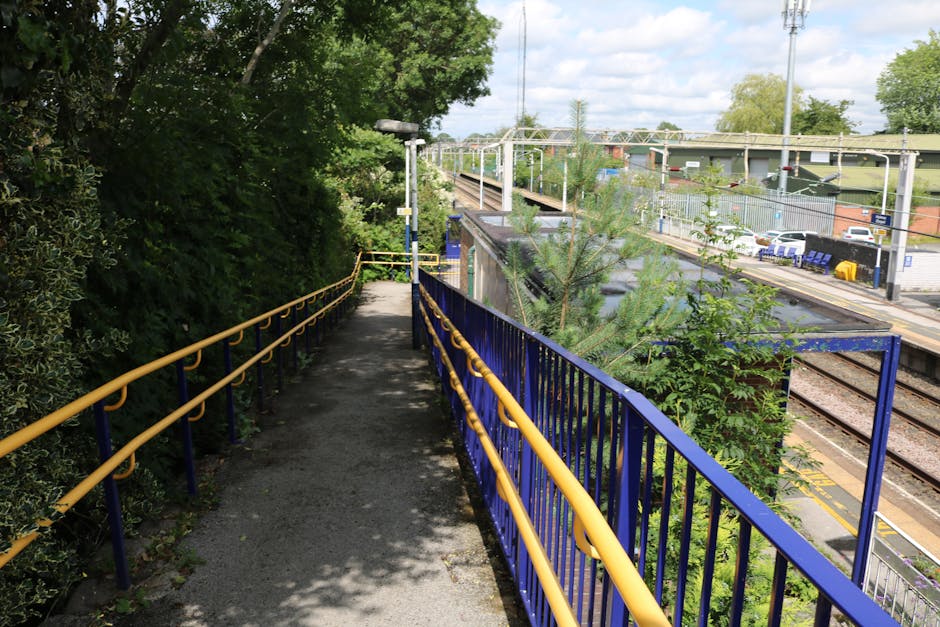
Why East Dulwich station rubbish collection for commuters Matters
At first glance, commuter rubbish might sound minor. One bag here, one carton there. But stations and the streets around them are used by hundreds of people every day, so even small amounts of litter quickly become visible. A clean route to the station feels calmer. A messy one feels rushed, noisy, and oddly stressful.
For commuters, the issue is also personal. Lots of us are carrying more than we realise: work bags, gym kit, shopping, children's bits, lunch containers, returns, and random packaging. If rubbish is left too long, it takes up space at home and becomes another decision to make at the end of a long day. And let's face it, nobody wants a fifth job called "deal with the bin situation".
Proper rubbish collection helps in three practical ways. First, it reduces clutter. Second, it lowers the chance of odours, pests, or accidental spillages in shared spaces. Third, it creates a simple habit that keeps busy routines on track. In a commuter area, that matters more than people think.
There is also a local-quality-of-life angle. Around transport hubs, the first few metres outside a station set the tone for the whole journey. If rubbish is handled well, the area feels more welcoming for everyone: office workers, students, shift workers, parents, and visitors alike.
Expert summary: commuter-focused rubbish collection is not a luxury service. It is a practical way to keep journeys smoother, reduce hassle at home, and avoid the small but nagging mess that builds up when life is moving quickly.
How East Dulwich station rubbish collection for commuters Works
In practice, commuter rubbish collection is usually about arranging a suitable collection time, separating items correctly, and making sure everything is handed over safely and legally. The exact service can vary, but the working principle is straightforward: you identify the waste, prepare it properly, and have it removed without disrupting your day.
Some people only need one-off help after a clear-out, a move, or a burst of shopping that created more packaging than expected. Others want a recurring or occasional collection arrangement for a business commute, a small office nearby, or a flatshare where rubbish piles up fast. Either way, a good service should be easy to understand and easy to use.
If you are comparing different disposal options, it helps to think about what needs removing. Household rubbish is one thing. Old furniture is another. Waste from a small renovation is different again. That is why broader services such as rubbish collection in Dulwich and waste disposal in Dulwich are often more useful than trying to force everything into a one-size-fits-all bin solution.
For commuters, timing is key. Ideally, collection should fit around the journey window, not the other way round. A service that works around school runs, train times, and office hours is worth far more than one that sounds cheap but creates chaos.
What typically happens during a collection
- You identify the items that need removing.
- You separate general waste from reusable or recyclable materials where possible.
- You choose a collection time that fits your commute or home schedule.
- The waste is removed and transported by a licensed carrier.
- Reusable and recyclable materials are handled separately where appropriate.
That sounds simple, but the value is in the convenience. When you are already dashing out the door, simple is very good indeed.
Key Benefits and Practical Advantages
Good rubbish collection near East Dulwich station is not only about cleanliness. It is also about time, safety, and consistency. The benefits show up in small ways first, then start to feel significant.
1. Less clutter at home
When waste is removed regularly, bags do not stack up in the hallway or kitchen. That makes your home feel calmer, even if the flat itself is small. In busy London homes, that can be a real difference.
2. Faster departures and returns
Commuters live by the clock. If rubbish is already organised, you can leave without pausing to wrestle with a full bag or rethink what to do with a bulky item. Coming home is easier too.
3. Reduced safety risks
Loose rubbish, broken packaging, sharp objects, and overloaded bags can create trip hazards or messy spills. In shared entrances or narrow hallways, that is not ideal.
4. Better hygiene
Food wrappers, damp cardboard, and old packaging can attract smells or pests if left too long. Collection keeps that under control. It sounds basic, because it is. Basic is useful.
5. More responsible disposal
Using a proper waste carrier helps ensure your rubbish is taken to the right place. That matters if you care about recycling, legal compliance, and avoiding fly-tipping problems.
If you have ever stood in the hallway at 7:40am trying to decide whether a bag can survive another day, you already understand the appeal. A clean handover beats a daily mini-debate.
Who This Is For and When It Makes Sense
This kind of service is useful for more people than you might expect. It is not only for households with too much junk. It can work for anyone whose schedule makes ordinary disposal awkward.
- Daily commuters who do not want waste building up at home during the week.
- Flat sharers who need a tidy, reliable way to keep shared spaces usable.
- Remote or hybrid workers whose rubbish pattern changes from week to week.
- Small business owners who travel via East Dulwich station and need dependable disposal support.
- Landlords and letting agents dealing with post-tenancy clutter or leftover bags.
- People doing a home clear-out before a move, refurb, or family visit.
It also makes sense when the waste is inconvenient rather than huge. A couple of broken chairs, a stack of packaging, a bag of old shoes, or mixed household rubbish can all be annoying enough to justify a proper collection. You do not need a dramatic situation to make the call. Sometimes the boring stuff is the real problem.
For larger or mixed clearances, it may be better to look at broader support such as waste clearance in Dulwich or even house clearance in Dulwich if the clutter has spread beyond one bin bag.
Step-by-Step Guidance
If you want the process to feel easy, it helps to break it into a few sensible steps. Nothing fancy. Just a clear plan that keeps you from overthinking it at the last minute.
- Sort the waste by type. Keep general rubbish separate from items that may be reusable, recyclable, electrical, or bulky.
- Identify anything restricted. Some materials need special handling, so do not bundle everything together and hope for the best.
- Estimate the volume. A small bag, several sacks, or a larger mixed load each point to different collection needs.
- Choose your timing. If you commute daily, work out whether collection is best before work, after work, or on a less hectic day.
- Prepare access. Make sure the waste is reachable and that pathways are clear enough for safe removal.
- Confirm the collection arrangement. Ask what will be removed, what should stay, and whether the carrier is licensed.
- Keep records if needed. For business or shared-property waste, a simple record of what was collected can be useful.
If the waste includes bulky items, offices, or mixed contents from a work space near the station, related services such as furniture disposal in Dulwich and commercial waste removal in Dulwich may be a better fit than a generic collection.
One small but important tip: do not leave everything until the night before. That is how the tiny pile becomes the awkward pile. And then the awkward pile becomes "why is this still here?".
Expert Tips for Better Results
In our experience, the smoothest collections come from a little preparation rather than a big effort. A few small choices make the whole thing easier.
Keep a "commuter waste" spot
Use one discreet area at home for items that need removing. A corner near the door, a lidded container, or a single bag hook can stop rubbish from spreading across the flat.
Separate recyclables early
If you know cardboard, cans, bottles, or clean packaging can be recycled, separate them before collection day. It saves time and reduces confusion. No drama, no last-minute rummaging.
Use sturdy sacks
Thin bags split at the worst moment, usually just as you are late. Strong sacks are worth it, especially for mixed household waste or heavier items.
Think about smell and moisture
Food waste, damp paper, and wet packaging can become unpleasant quickly. If possible, keep them contained and move them on sooner rather than later.
Ask about handling of mixed loads
If you have general waste plus items like a broken desk chair or an appliance, ask how the load should be grouped. A bit of clarification upfront can save a messy collection day.
Some customers also pair waste collection with other clearance work, especially after a tenancy change or office tidy-up. In those cases, looking at office clearance in Dulwich or SE21 office clearance can make more sense than arranging multiple separate pickups.
Quick expert take: the best rubbish collection is the one that disappears from your to-do list without creating a new one. Simple access, clear sorting, and a licensed carrier usually get you there.
Common Mistakes to Avoid
Most collection headaches come from a handful of avoidable mistakes. They are common, which is probably why they keep happening.
Leaving the waste unsorted. A mixed bag of general rubbish, recyclables, and restricted items slows everything down. Sorting first is quicker than fixing a poor pile later.
Assuming all carriers are the same. They are not. Check that the carrier is legitimate and that the disposal route is lawful. Cheap is not always cheerful.
Overfilling bags. If a sack is bulging like it is trying to escape, it may split in transit. That creates mess, extra time, and sometimes extra cost.
Ignoring bulky items. A broken table or old appliance does not belong in with soft household rubbish unless the carrier says so. Use the right disposal route.
Forgetting access issues. Narrow stairs, shared entrances, parking restrictions, and locked gates all affect collection. Mention them early.
Waiting for "the right time". There is rarely a perfect time. The trick is choosing a practical one and getting on with it.
And yes, people do sometimes put rubbish out thinking someone else will deal with it. That usually ends badly. Shared spaces have a way of noticing these things.
Tools, Resources and Recommendations
You do not need a huge toolkit to manage commuter rubbish well, but a few simple items help a lot.
- Strong refuse sacks for general waste.
- Reusable containers or crates for items you may want to sort later.
- Labels or notes if you share a flat or office space and need clarity.
- Gloves for sharp packaging, dusty clear-outs, or odd jobs after a commute.
- Basic tape or ties to keep bags secure.
- A fixed collection corner so waste is not spread around the property.
For broader support, the most useful internal pages are usually the ones that match the type of waste you have. If the job is straightforward collection, start with rubbish collection in Dulwich. If the load is more general or involves mixed disposal, waste disposal in Dulwich is a sensible place to look. If you need to understand the company background and how it works, about us and services overview are helpful starting points.
If your rubbish is tied to old furniture or white goods, use the more specific pages. That is usually where the details become clearer and the whole process becomes less frustrating.
Law, Compliance, Standards, or Best Practice
Waste removal in the UK is not just a practical service. There are also responsibilities around proper handling, transport, and disposal. For commuters and households, the main rule of thumb is simple: use a responsible carrier and do not hand waste to anyone who cannot deal with it properly.
In normal everyday terms, that means the waste should be collected lawfully, transported safely, and taken to an appropriate facility. For business waste, the standards are even more important because records, duty of care, and traceability can matter. If you are a commuter picking up disposal on the way to or from work, it is worth checking that the provider follows the basics properly.
That is where pages such as waste carrier licence and compliance and insurance and safety become especially useful. They help set expectations without you having to guess what is safe, legal, or reasonable.
Best practice is usually straightforward:
- Use a licensed waste carrier.
- Keep waste separated where practical.
- Do not mix hazardous items with ordinary rubbish.
- Be clear about access, volume, and item type.
- Ask questions if anything feels unclear.
If you are dealing with recyclable loads or sustainability concerns, the page on recycling and sustainability is a good reminder that not all waste should be treated the same way. Some items can be recovered; some cannot. The aim is not perfection. It is sensible, compliant handling.
Options, Methods, or Comparison Table
Different waste situations call for different methods. A commuter with one bag of mixed rubbish does not need the same approach as someone clearing an office or replacing furniture. Choosing well saves time and money.
| Option | Best for | Pros | Watch-outs |
|---|---|---|---|
| Standard commuter rubbish collection | Bagged household waste, packaging, small mixed loads | Quick, simple, low effort | Not ideal for bulky or specialist items |
| Waste clearance | Mixed household clutter, periodic larger clean-ups | More flexible for varied loads | Needs clearer sorting and access planning |
| Furniture disposal | Chairs, tables, sofas, broken storage units | Handles bulky items properly | Requires space and lifting access |
| White goods disposal | Fridges, washing machines, appliances | Better for regulated or heavy items | Not suitable to dump with normal rubbish |
| Commercial waste removal | Shops, offices, work spaces near the station | Useful for business routines and regular collections | May need additional planning and records |
The right choice depends on the mix of items, the urgency, and how much disruption you can tolerate. If the waste is small and routine, keep it simple. If it is bulky, office-related, or mixed in a messy way, move up to a more specific service. That is usually the cleanest route, literally and figuratively.
Case Study or Real-World Example
A typical commuter scenario goes like this. A professional living a short walk from East Dulwich station works in central London three days a week and is often back after dark. Over a fortnight, a pile forms: takeaway containers, a broken lamp, an old office chair, packaging from a delivery, and a few bags of general waste that never made it outside because the weather was grim. You know the kind of week.
Rather than squeezing everything into one overfull bin or leaving it in the hall, they sort the load into three groups: everyday rubbish, recyclable packaging, and bulky items. They check access, choose a collection slot after their morning train, and use a proper disposal service rather than trying to deal with it piecemeal over several days.
The result is not dramatic. That is the point. The flat feels easier to live in. The hallway stops feeling cluttered. The commute starts and ends a bit lighter. And the person gets one less thing to think about on a Tuesday evening when it is already drizzling and the train has been slightly late, again.
That sort of outcome is common. Not glamorous, but very real.
Practical Checklist
Use this checklist before arranging collection near East Dulwich station:
- Have I identified exactly what needs removing?
- Have I separated general waste from recyclables?
- Are any items bulky, electrical, or potentially restricted?
- Do I know where the waste will be left for collection?
- Is access clear for safe removal?
- Have I chosen a time that fits my commute?
- Have I checked the carrier is legitimate and insured?
- Do I need a broader clearance service instead of a simple collection?
- Have I considered furniture, appliances, or office items separately?
- Am I happy with how the waste will be handled after collection?
If you can tick most of those off, the process is usually straightforward. If not, pause for a minute and sort the plan before booking. It saves annoyance later.
Conclusion
East Dulwich station rubbish collection for commuters is really about making ordinary life easier. It helps keep homes tidier, reduces last-minute stress, and gives busy people a practical way to deal with waste without disrupting work or travel. The best approach is usually the simplest one: sort the waste, choose the right service, and use a licensed carrier that handles the job properly.
For everyday commuter rubbish, that small bit of organisation goes a long way. For bigger loads, furniture, office items, or mixed clearances, choosing a more specific service can save time and avoid mistakes. Either way, the goal is the same: less clutter, less hassle, and a cleaner routine.
Get a free quote today and see how much you can save.
And if today's the day you finally deal with that awkward pile by the door, good. It tends to feel better almost immediately.