Rubbish removal Lordship Lane Dulwich practical guide
Posted on 19/06/2026
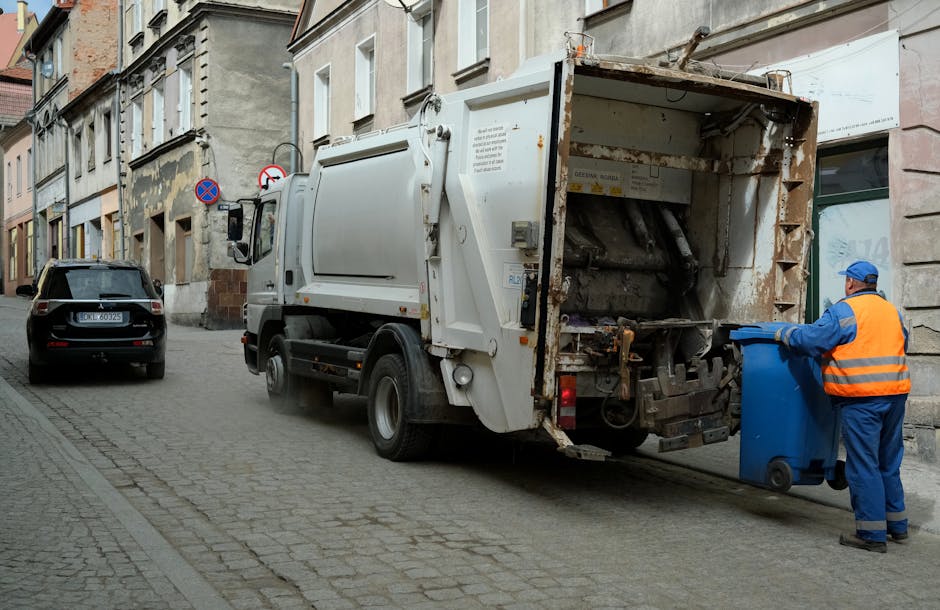
If you live or work near Lordship Lane, rubbish can pile up faster than you expect. A flat clearance after a move, a few broken pieces of furniture, builders' offcuts, or a garden tidy-up can suddenly turn into a Saturday you would rather not have. This Rubbish removal Lordship Lane Dulwich practical guide is here to make that easier. It explains how local rubbish removal works, what to watch out for, how to plan the job properly, and how to choose the right approach without wasting time, money, or energy.
Lordship Lane has its own rhythm: busy pavements, narrow parking spots, terraced homes, shops, flats above businesses, and the occasional awkward item that seemed smaller in the shop. Truth be told, rubbish removal here is rarely just "load it and go". Good planning matters. So does compliance. And if you want a tidy result without hassle, the little details count.
Below, you'll find a practical walkthrough with local context, realistic examples, and a few useful checks that can save you from a messy surprise later on.
Why this guide matters
Rubbish removal sounds straightforward until you are standing in a hallway with three bulky items, a pile of cardboard, a mattress, and no clear idea where it all should go. On Lordship Lane, the challenge is often about access as much as volume. Cars, loading restrictions, foot traffic, shared entrances, and tight front gardens can make a simple job awkward very quickly.
This is why a practical guide is useful. It helps you decide whether you need a one-off collection, a full waste clearance, or something more specific like furniture disposal in Dulwich or white goods and appliance disposal. The aim is not just to get things gone. It is to get them removed safely, legally, and with the least disruption possible.
There is also the sustainability angle. A lot of what people call "rubbish" can often be separated, recycled, reused, or handled more carefully than a simple mixed skip-pile approach. That matters in Dulwich, where many households want a cleaner result and a lower environmental footprint without turning the job into a half-day research project.
Practical takeaway: the best rubbish removal jobs are the ones planned before anyone lifts anything. A few minutes of sorting can prevent delays, added costs, and awkward access problems later.
How rubbish removal works
At its simplest, rubbish removal is the process of collecting unwanted items, loading them safely, and transporting them to the right disposal or recovery route. In practice, there are a few moving parts. You need to identify the waste type, estimate the amount, check access, and decide whether the job suits a small collection, a larger clearance, or a specialist service.
For most homes and small businesses near Lordship Lane, the process usually looks like this:
- You identify what needs to go and separate anything sensitive, reusable, or restricted.
- You estimate the quantity, usually by item count, room type, or load size.
- You confirm access details such as stairs, parking, lift availability, or gate width.
- You choose the appropriate service, for example general waste disposal in Dulwich or a more specific clearance type.
- The team collects the waste, loads it, and removes it for sorting, recycling, or disposal.
If you are dealing with trade waste, renovation debris, or an office refresh, the workflow is similar, but the sorting and compliance steps become more important. A job involving cardboard, packaging, old desks, and electrical items is not the same as a garden clearance. Nor should it be treated like one. A decent provider should be able to explain what is accepted, what needs special handling, and whether any items are better served by a dedicated route such as builders' waste disposal or office clearance in Dulwich.
One small but important point: clear communication saves time. If you say "a few bags" but mean ten black sacks, a dismantled wardrobe, and a broken filing cabinet, the team will arrive expecting a different job. That mismatch is where frustration creeps in. Easy to avoid, too.
Key benefits and practical advantages
Local rubbish removal is not only about convenience. Done properly, it creates practical benefits that show up immediately and, honestly, make the space feel lighter. You notice it the moment the clutter disappears: the hallway opens up, the floor can breathe again, and the whole place feels less mentally noisy.
- Speed: A well-organised collection can clear bulky items far faster than self-hauling.
- Less stress: You avoid hiring vehicles, carrying heavy items, or making multiple trips.
- Better access handling: Local crews understand narrow streets, awkward entrances, and shared spaces.
- Safer lifting: Heavy furniture, old appliances, and mixed waste are less likely to cause damage or injury when handled correctly.
- Cleaner finish: Professional removal usually leaves fewer stray bits behind, especially in corners, stairwells, and garden paths.
- Improved sorting: Separate disposal streams can support recycling and reduce unnecessary landfill waste.
There is also a planning advantage. Once you understand the process, it becomes easier to combine services intelligently. For example, a house refresh may involve house clearance for the main rooms, plus loft clearance if the top floor has become a time capsule of old boxes and forgotten decorations. You do not have to tackle it all as one chaotic mountain.
And yes, it is one less thing on a very long to-do list. We all know those lists have a way of breeding overnight.
Who this is for and when it makes sense
This guide is for anyone near Lordship Lane who needs an efficient way to clear unwanted items without turning the job into a logistics project. That includes homeowners, tenants, landlords, estate managers, shop owners, office managers, tradespeople, and anyone doing a clear-out before a sale, refurbishment, or end-of-tenancy deadline.
It makes sense in situations like these:
- You have bulky items that will not fit in a regular bin.
- You need to clear a property before new occupants move in.
- You are replacing furniture and want old pieces removed at the same time.
- You have renovation debris after a kitchen, bathroom, or decorating project.
- You are clearing commercial waste from a small business or office.
- You want garden waste, shed contents, or overgrown cuttings removed quickly.
For some jobs, a simple collection is enough. For others, a specialist service is the better call. Mixed household waste might be ideal for rubbish collection, while a full property reset may fit better with waste clearance in Dulwich. The right choice depends on volume, item type, access, and how much time you want to spend managing it.
If you are unsure, that is normal. Most people only deal with this every so often, not every week. A good rule of thumb: if the items are too awkward, too heavy, or too mixed to handle cleanly yourself, it is probably time to get help.
Step-by-step guidance
Here is a practical way to approach rubbish removal on or around Lordship Lane without missing anything important.
1. Walk the property first
Start with a slow look at every room, hallway, stairwell, outside space, and storage area. Do not just eyeball the obvious items. Small stuff adds up. Bags in cupboards, broken chairs in the garden, old paint tins in a shed, cardboard in the loft - it all counts.
2. Separate the waste by type
Put similar materials together if you can. Furniture, cardboard, general household rubbish, garden cuttings, electrical items, and construction waste may each need different handling. Sorting first makes the collection more efficient and, usually, cleaner.
3. Decide what should stay
Be honest here. We all have items that are "maybe useful" but actually just taking up space. If something has not been used in years and does not have a clear purpose, it may be a candidate for removal. On the other hand, important documents, sentimental keepsakes, and personal electronics should be put aside before the crew arrives.
4. Measure the access, not just the waste
This is where many people slip up. A large item may be fine in theory, but the real issue is whether it can be taken out without damaging walls, bannisters, or door frames. Check stair widths, lift sizes, parking options, and whether the front path has enough room to manoeuvre.
5. Choose the right service type
Match the job to the waste. A small load of mixed items may suit general removal. A large home reset may need house clearance. Renovation debris is better handled as builders' waste. Office furniture and IT clutter should go through a proper office or commercial route, such as commercial waste removal.
6. Confirm what is accepted
Ask about restricted items, special handling, or anything that requires separate treatment. White goods, mattresses, certain electricals, and heavy debris can all affect the final plan. It is much better to know this before the team is outside the building with a trolley and a deadline.
7. Prepare the items for removal
Stack or stage items where they can be reached safely. If you are in a flat, keep the route clear. If the job involves a garden, move items nearer the access point where possible. Small preparation really does help. The van load goes faster, and the whole job usually feels calmer.
8. Ask about sorting and destination
Where suitable, waste should be sorted for reuse, recycling, or proper disposal. A responsible provider should be able to explain their approach to recovery and diversion. That is especially useful if you care about reducing waste rather than just removing it from sight.
9. Review the result before signing off
Take a minute to check corners, under stairs, and outdoor areas. It is easy to miss a small pile behind a bin or a stray bit of packaging beside the fence. A quick final look saves that annoying "oh, there's still one bag left" moment once the crew has gone.
Expert tips for better results
A few practical habits can make rubbish removal smoother and often cheaper. Nothing fancy. Just the stuff that experienced local teams tend to notice straight away.
- Photograph the waste before booking: pictures of bulky items, room contents, or access points help avoid misunderstandings.
- Group items by room or type: it speeds up loading and makes the job easier to assess.
- Leave a clear route to the exit: doors, stairs, and hallways should be free of trip hazards.
- Be precise about mixed loads: "mixed waste" can mean a lot of different things, so give examples.
- Ask what happens to reusable items: some furniture or equipment may be suitable for reuse or separate recovery.
- Book with a little buffer: if you have a deadline, leave some time in case access turns out to be tighter than expected.
Another thing: if you are clearing after a renovation or a tenancy turnover, try to do the waste removal after the final sweep, not before. Sounds obvious, I know, but you would be surprised how often someone clears half the room and then discovers more debris under the old sofa. A tiny bit annoying. Very fixable, though.
If the job involves heavier items such as wardrobes, sofas, or appliances, you can reduce risk by choosing a service with clear safety practices and proper handling. That is where pages like insurance and safety can be useful for understanding the standards behind the work.
Common mistakes to avoid
Most rubbish removal problems are predictable. That is the good news. Once you know the common mistakes, you can usually sidestep them without fuss.
- Guessing the volume: underestimating a load often leads to delays or the need for a second visit.
- Ignoring access issues: a perfectly sized job can still become difficult if parking, stairs, or gate width are overlooked.
- Mixing restricted items with general waste: certain items may require separate handling or advance notice.
- Leaving sorting until the last minute: that is how valuables, documents, and reusable items get bundled together by mistake.
- Choosing on price alone: the cheapest option is not always the best once loading time, safety, or compliance are considered.
- Forgetting building rules: some flats and managed properties have specific access or lift requirements.
One surprisingly common issue is the "it'll only take five minutes" assumption. Let's be honest, rubbish removal often starts with five minutes of optimism and ends with a pile you did not realise existed. There is no shame in that. The solution is simply to assess the job properly before the first item moves.
Another mistake is not checking the terms of service. If you want to understand what to expect around booking, collection conditions, and service boundaries, a quick read of terms and conditions can prevent surprises.
Tools, resources and recommendations
You do not need a lot of equipment for a small clear-out, but a few basic tools make the process safer and more organised.
- Heavy-duty bags or boxes: useful for smaller mixed waste and cardboard.
- Gloves: ideal for dusty lofts, old storage areas, and garden waste.
- Tape measure: handy when checking whether bulky items will fit through doors or stairs.
- Marker pens and labels: helpful when separating keep, recycle, and remove piles.
- Phone camera: simple but effective for recording the load and access points.
- Dust sheets or floor protection: useful if items need moving through a clean hallway.
In terms of service pages and support materials, a sensible starting point is the wider services overview. From there, you can match your needs to the right clearance type rather than forcing everything into one category.
If recycling and waste reduction matter to you, take a look at the company's approach to recycling and sustainability. It is a good way to understand how mixed materials are handled and what might be diverted from disposal where appropriate.
For smaller, routine collections, a page like rubbish collection in Dulwich can be a useful fit. For more specialised household items, it may be better to use the dedicated options rather than a one-size-fits-all approach.
Law, compliance, standards and best practice
Rubbish removal is not just a practical task. It is also an area where compliance matters. In the UK, waste should be handled by people who are properly authorised to carry it, and the chain of responsibility should be clear enough that you are not left guessing where things ended up.
You do not need to become a legal specialist to book a collection, but it is sensible to check a few basics:
- Waste carrier status: the provider should be able to show that they are properly licensed or registered to carry waste.
- Duty of care: householders and businesses should take reasonable steps to pass waste to a legitimate operator.
- Special items: electricals, appliances, and some construction waste may need separate handling.
- Safe lifting and transport: items should be removed without creating avoidable risk to people or property.
- Data protection awareness: if you are clearing an office, paper files and devices should be treated carefully.
For reassurance, it helps to read more about waste carrier licence and compliance before you book. If the job is commercially sensitive, or you want to understand how personal and payment information is handled, you can also review privacy policy and payment and security.
The practical standard to aim for is simple: clear explanation, fair handling, safe collection, and proper disposal route. That is what good waste work looks like. Not glamorous, but solid.
Options, methods and comparison table
There are several ways to clear rubbish near Lordship Lane, and each suits a different type of job. The right choice depends on time, volume, item type, access, and how much involvement you want in the process.
| Method | Best for | Advantages | Watch out for |
|---|---|---|---|
| Single-item collection | One or two bulky items | Quick, simple, low effort | Not ideal for mixed or large loads |
| General rubbish removal | Mixed household waste | Flexible and practical | May need clearer sorting details |
| House clearance | Whole rooms or full properties | Efficient for larger resets | Requires more planning and access checks |
| Furniture disposal | Sofas, tables, wardrobes, chairs | Ideal for bulky household items | Measure access carefully |
| Builders' waste disposal | Renovation debris and offcuts | Better for trade-type loads | Some materials may need separate treatment |
| Office clearance | Desks, chairs, paperwork, old equipment | Good for business moves and refits | Data and access controls matter more |
For many Lordship Lane properties, the real decision is not between "yes" and "no", but between "general clearance" and "specialist clearance". That distinction matters more than people expect. A garden full of bags, for example, may work better with garden waste removal than with a mixed household job. Similarly, appliance-heavy clear-outs are usually better handled through a dedicated appliance route.
Case study or real-world example
A very typical Lordship Lane scenario goes like this. A couple has just finished redecorating a top-floor flat. Down the hallway are an old sofa, a broken coffee table, several black bags of general clutter, a dismantled shelving unit, and a fridge that no longer works. The building has a narrow staircase and on-street parking that is, to put it kindly, a bit unpredictable.
The smartest approach is not to treat all of that as one giant pile. Instead, the sofa and table are grouped as furniture, the fridge is flagged as a white good, and the mixed bags are kept separate. Measurements are checked beforehand, the route out of the flat is cleared, and the access note includes the staircase and parking situation. On the day, the crew can work methodically instead of improvising around surprises.
That kind of planning usually makes the difference between a smooth collection and a frustrating one. The couple gets their flat back, the route stays tidy, and the waste is handled in the correct channels. Simple enough, but only because the prep was done properly.
Another example: a small shop near Lordship Lane is closing for refurbishment and needs packaging, shelving, stockroom clutter, and old display furniture removed. In that case, a business-focused approach is better. An option like SE21 waste removal in Dulwich or a commercial clearance route can be more suitable than trying to squeeze the job into a domestic pattern.
Practical checklist
Before your collection or clearance, run through this list. It is boring in the best possible way.
- Identify exactly what needs removing.
- Separate reusable items, valuables, and important documents.
- Group waste by type where possible.
- Check whether any items need specialist handling.
- Measure doors, stairs, gates, and any tight access points.
- Confirm parking or loading access near Lordship Lane.
- Clear a safe route from the waste to the exit.
- Ask about recycling, disposal, and restricted items.
- Review the service terms before booking.
- Take a final walk-through before and after the job.
If you are dealing with a larger clear-out, it can also help to look at furniture removal if bulky items dominate the load, or to consider a full-property solution if the space has become difficult to manage room by room.
Conclusion
Rubbish removal on Lordship Lane does not need to be complicated, but it does need a bit of judgement. The most successful clearances are the ones where the waste is identified clearly, access is checked properly, and the right service is chosen from the start. That is how you avoid delays, reduce stress, and get a cleaner finish.
Whether you are clearing a flat, a house, a garden, an office, or a mix of all four after a busy life phase, the same principles apply: sort first, measure twice, and book the service that actually fits the job. Simple advice, yes. But it works.
If you want to make the next step easier, compare the type of waste you have with the relevant service pages, and choose the route that matches your property, your timeline, and your access conditions. A little care now saves a lot of hassle later. And honestly, that's worth its weight in old cardboard.
Get a free quote today and see how much you can save.
Sometimes the best feeling is walking back into a cleared space and hearing nothing but the quiet. That small moment of relief matters more than people admit.